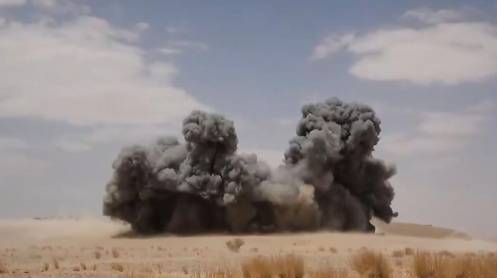
RIYADH: Saudi Arabia has warned Yemen’s Houthi movement that the security of the Kingdom’s holy sites is a “red line” after its air defences intercepted and destroyed a drone south of Makkah before it entered the city’s prohibited airspace.
Thank you for reading this post, don't forget to subscribe!The Saudi-led coalition fighting the Houthis said the drone was intercepted on Tuesday evening. Coalition spokesperson Maj. Gen. Turki Al-Maliki said the security of the Two Holy Mosques and pilgrims would not be compromised and warned that the coalition would take “necessary and deterrent” measures against further attacks.
The Houthis, however, rejected Saudi Arabia’s account and denied that Makkah was the intended target, describing the allegation as false.
The incident has added a highly sensitive dimension to an already rapidly escalating conflict in and around Yemen and the Red Sea.
Growing Conflict Around Bab el-Mandab
The latest escalation comes as fighting between the Houthis and forces aligned with Yemen’s internationally recognised government has intensified along the country’s western coast.
The United Nations said the situation around the Bab el-Mandab Strait had become increasingly volatile, with Houthi forces advancing towards the strategic waterway. The UN also reported that commercial shipping flows through the Red Sea remained largely unaffected at the time of its latest assessment, although the military developments have increased market concerns.
Bab el-Mandab is one of the world’s most important maritime chokepoints, connecting the Red Sea with the Gulf of Aden and providing access to the Suez Canal.
Any sustained disruption could therefore affect international shipping, supply chains and energy transportation between the Middle East, Europe and Asia.
Saudi Oil Exports Face Additional Pressure
The developments are particularly significant for Saudi Arabia because disruptions elsewhere in the region have already complicated the Kingdom’s oil-export logistics.
Saudi Arabia has relied increasingly on alternative routes to move crude exports while the Strait of Hormuz remains severely disrupted by the wider regional conflict.
The Kingdom’s approximately 1,200-kilometre East-West Pipeline, which provides an alternative route for transporting crude from the eastern oil-producing region to Red Sea terminals, has also faced disruption. US Energy Secretary Chris Wright said the pipeline was expected to resume operations within days following the latest damage.
The simultaneous pressure on Hormuz and Bab el-Mandab has raised concerns about the resilience of global oil and gas supply chains.
Pakistan Warns of Threat to Global Energy Security
Speaking at the United Nations Security Council meeting on Yemen, Pakistan’s Permanent Representative to the UN, Ambassador Asim Iftikhar Ahmad, condemned Houthi attacks against Saudi Arabia and warned about the implications of developments around Bab el-Mandab.
Pakistan said the expansion of attacks in and around the waterway, combined with threats to commercial shipping, could undermine freedom of navigation and disrupt international maritime commerce.
Islamabad also expressed support for Saudi Arabia’s sovereignty, territorial integrity and security while calling for efforts to reduce regional tensions.
Riyadh and Cairo Call for Freedom of Navigation
Saudi Crown Prince Mohammed bin Salman and Egyptian President Abdel Fattah al-Sisi have also called for the protection of freedom and security of maritime navigation through both the Strait of Hormuz and Bab el-Mandab.
The two waterways are particularly important to Egypt because Bab el-Mandab provides the southern gateway to the Suez Canal, a major source of foreign-exchange earnings for Cairo.
Any prolonged reduction in shipping through the Red Sea would therefore have consequences extending well beyond Saudi Arabia and Yemen.
Oil Prices and Global Markets
The latest escalation comes as international oil prices have already been pushed above $100 per barrel amid concerns over disruptions to major energy routes.
The potential closure or sustained disruption of Bab el-Mandab would force shipping companies to reassess routes between Asia and Europe. Longer voyages around the Cape of Good Hope could increase transportation costs, extend delivery times and place additional pressure on global energy and commodity markets.
Qatar has warned that a closure of Bab el-Mandab could have severe consequences for the global economy, highlighting the strategic importance of the waterway.
Conflict Spreads Beyond Yemen
The renewed fighting represents a major escalation in Yemen’s conflict, which had remained relatively subdued following the 2022 truce.
The Houthis have expanded attacks against Saudi territory while Saudi and allied forces have carried out airstrikes against Houthi positions.
The humanitarian consequences are also growing. UN agencies have reported that more than 100,000 people have been internally displaced amid the latest fighting, while access to affected communities has been complicated by insecurity and damaged infrastructure.
The latest confrontation is therefore developing simultaneously on three fronts: military security, maritime trade and energy security.
Energy Security Becomes a Central Concern
For global energy markets, the most important issue is not the drone incident near Makkah alone, but the possibility that the wider conflict could further threaten the region’s critical maritime and oil-export infrastructure.
The Strait of Hormuz and Bab el-Mandab together form vital links in global energy transportation. Prolonged disruption at either chokepoint could increase freight costs, delay shipments and put upward pressure on oil and gas prices.
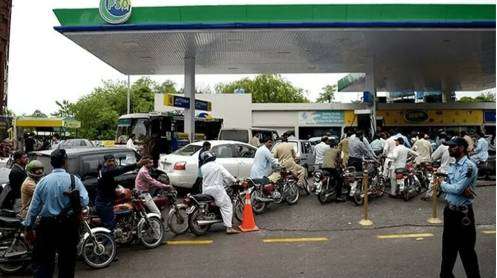
For countries such as Pakistan, which depend significantly on imported energy, sustained disruption could translate into higher fuel costs, increased import bills and additional pressure on electricity-generation costs.
The immediate situation remains fluid. Saudi Arabia has pledged a firm response to further attacks, while the Houthis have rejected the allegation that they targeted Makkah.
With military activity increasing around Yemen’s Red Sea coast and disruptions already affecting other regional energy routes, the coming days will be closely watched by governments, energy companies and international shipping operators.
The central concern for global energy markets is whether the conflict remains geographically contained—or develops into a wider disruption of the maritime corridors through which a significant share of global energy trade moves.
By AFP